

Town Planning Surveyor: Your Complete Guide to This Essential Property Development Survey
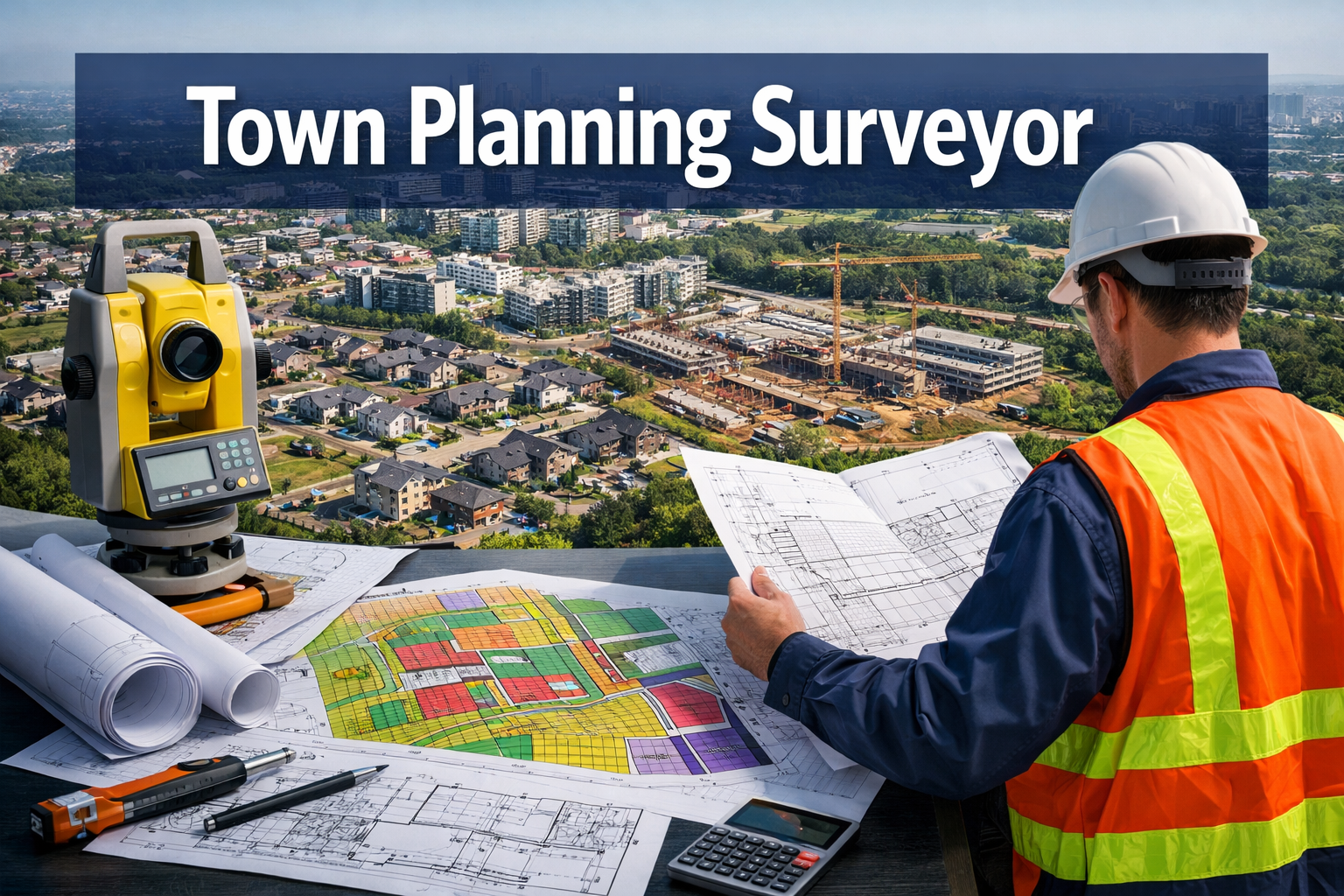
Imagine standing at the intersection of architecture, law, and community development—where every decision shapes how cities grow and neighbourhoods evolve. Town planning surveyors are the unsung heroes who transform ambitious development visions into compliant, sustainable realities. In 2026, as urban populations continue to expand and environmental regulations tighten, these professionals have never been more critical to the built environment.
A town planning surveyor combines technical expertise with regulatory knowledge to guide property development projects through complex planning systems. Whether you’re considering this career path, hiring a professional for your project, or simply curious about who ensures your neighbourhood develops responsibly, understanding this role is essential in today’s rapidly evolving property landscape.
Key Takeaways
- Town planning surveyors bridge the gap between development ambitions and regulatory compliance, ensuring projects meet legal, environmental, and community standards
- These professionals require specialized qualifications including RICS accreditation and extensive knowledge of planning law, building regulations, and environmental assessment
- Career opportunities span public sector planning departments, private consultancies, and specialized roles in infrastructure and sustainable development
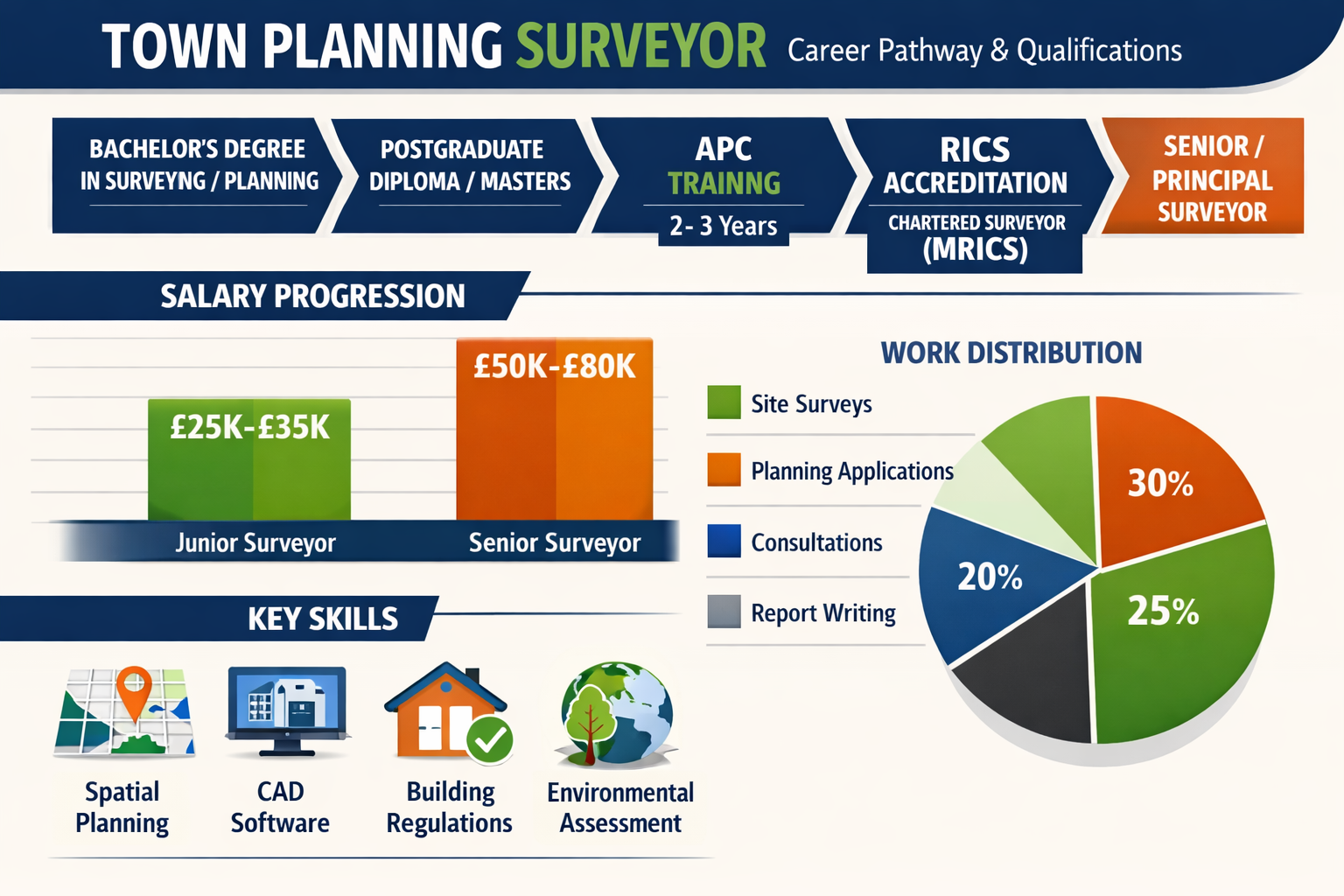
- Salaries range from £25,000 for graduates to £60,000+ for senior professionals, with London commanding premium rates
- The profession is evolving rapidly with digital tools, sustainability requirements, and smart city planning creating new opportunities in 2026
What Is a Town Planning Surveyor?

A town planning surveyor is a specialized professional who evaluates land and property for development purposes while ensuring compliance with planning regulations, zoning laws, and environmental standards. Unlike traditional surveyors who focus primarily on measurements and boundaries, town planning surveyors analyze the broader implications of development—from traffic impact to community needs.
These experts serve as crucial intermediaries between developers, local authorities, and communities. They prepare planning applications, conduct feasibility studies, and provide strategic advice on how to navigate the complex regulatory landscape governing property development.
Core Responsibilities
Town planning surveyors undertake diverse responsibilities that require both technical skills and strategic thinking:
Planning Application Management 📋
- Preparing comprehensive planning applications with supporting documents
- Conducting site assessments and feasibility studies
- Liaising with local planning authorities and stakeholders
- Responding to planning objections and conditions
Regulatory Compliance
- Ensuring developments comply with local and national planning policies
- Interpreting building regulations and zoning requirements
- Advising on permitted development rights
- Navigating conservation area and listed building constraints
Strategic Development Advice
- Assessing development potential of sites
- Conducting market analysis and viability studies
- Advising on optimal land use strategies
- Identifying planning risks and mitigation measures
Environmental and Social Impact
- Evaluating environmental implications of developments
- Assessing transport and infrastructure requirements
- Considering community impact and public consultation
- Ensuring sustainable development principles
For property owners navigating development projects, understanding party wall regulations is equally important, as these often intersect with planning considerations.
How Town Planning Surveyors Differ from Other Surveying Professionals
The surveying profession encompasses numerous specializations, and understanding these distinctions helps clarify the unique value town planning surveyors provide.
| Surveyor Type | Primary Focus | Key Activities | When You Need Them |
|---|---|---|---|
| Town Planning Surveyor | Development compliance & strategy | Planning applications, zoning analysis, policy interpretation | Development projects requiring planning permission |
| Building Surveyor | Building condition & construction | Structural surveys, defect analysis, building pathology | Property purchases, renovation projects |
| Party Wall Surveyor | Boundary works & neighbour rights | Party wall awards, dispute resolution, condition surveys | Construction affecting shared walls or boundaries |
| Land Surveyor | Precise measurements | Topographical surveys, boundary determination, GPS mapping | Establishing exact site dimensions |
| Quantity Surveyor | Construction costs | Cost estimation, contract administration, value engineering | Budget management for construction projects |
While a party wall surveyor focuses specifically on works affecting shared structures and neighbour relationships, a town planning surveyor takes a broader view of how development fits within regulatory frameworks and community contexts.
Overlapping Expertise
In practice, many complex development projects require multiple surveying specialists working collaboratively. For instance, a residential extension might need:
- A town planning surveyor to secure planning permission
- A party wall surveyor to manage neighbour notifications and agreements
- A building surveyor to ensure structural integrity
- A quantity surveyor to control costs
This integrated approach ensures projects proceed smoothly from concept through completion while maintaining compliance at every stage.
Qualifications and Skills Required for Town Planning Surveyors
Becoming a town planning surveyor requires a combination of formal education, professional accreditation, and continuous skill development. The pathway is rigorous but rewarding for those passionate about shaping the built environment.
Educational Requirements
Undergraduate Education 🎓
Most town planning surveyors hold degrees in:
- Town Planning or Urban Planning
- Geography with Planning
- Surveying (with planning specialization)
- Environmental Planning
- Urban Design
These programs typically cover planning law, environmental assessment, spatial analysis, and development economics.
Postgraduate Qualifications
Many professionals enhance their credentials with:
- Master’s in Town Planning (MSc or MA)
- Master’s in Urban Design
- Postgraduate diplomas in Planning Law
- Specialized certificates in Environmental Impact Assessment
Professional Accreditation
Royal Institution of Chartered Surveyors (RICS)
The gold standard for surveying professionals in the UK, RICS accreditation demonstrates:
- Completion of an accredited degree program
- Minimum two years of structured professional experience
- Successful completion of the Assessment of Professional Competence (APC)
- Commitment to continuing professional development (CPD)
Royal Town Planning Institute (RTPI)
Many town planning surveyors also pursue RTPI membership, which requires:
- An RTPI-accredited planning qualification
- Practical experience in planning practice
- Demonstration of professional competencies
- Adherence to the RTPI Code of Professional Conduct
Essential Skills and Competencies
Technical Knowledge 🔧
- Comprehensive understanding of planning legislation and policy
- Proficiency in Geographic Information Systems (GIS)
- Familiarity with Computer-Aided Design (CAD) software
- Knowledge of environmental regulations and sustainability principles
- Understanding of building regulations and construction methods
Analytical Abilities
- Site assessment and feasibility analysis
- Policy interpretation and application
- Risk identification and mitigation
- Data analysis and spatial planning
- Economic viability assessment
Communication Skills
- Report writing and technical documentation
- Presentation skills for planning committees
- Negotiation with authorities and stakeholders
- Public consultation and community engagement
- Client relationship management
Professional Attributes
- Attention to regulatory detail
- Strategic thinking and problem-solving
- Ethical practice and integrity
- Project management capabilities
- Commercial awareness
The complexity of modern development projects means town planning surveyors must stay current with evolving regulations, much like professionals managing party wall procedures must understand changing legislative requirements.
Career Path and Opportunities for Town Planning Surveyors
The career trajectory for town planning surveyors offers diverse opportunities across public and private sectors, with progression based on experience, specialization, and professional development.
Entry-Level Positions
Graduate Planner / Assistant Town Planning Surveyor
- Salary range: £25,000 – £32,000
- Supporting senior planners with application preparation
- Conducting desktop research and site assessments
- Assisting with client consultations
- Learning regulatory frameworks and local policies
Planning Consultant (Junior)
- Salary range: £28,000 – £35,000
- Working on smaller planning applications
- Liaising with local authorities
- Preparing supporting documents and reports
- Developing technical expertise
Mid-Level Roles
Senior Town Planning Surveyor
- Salary range: £40,000 – £55,000
- Managing complex planning applications independently
- Leading client relationships
- Mentoring junior staff
- Specializing in specific development types or sectors
Planning Manager
- Salary range: £45,000 – £60,000
- Overseeing multiple projects and team members
- Strategic business development
- Quality assurance and risk management
- Building authority relationships
Senior and Specialist Positions
Principal Planner / Director
- Salary range: £60,000 – £90,000+
- Setting strategic direction for planning consultancies
- High-level client engagement and business development
- Expert witness testimony at planning inquiries
- Thought leadership and industry representation
Specialized Roles 💼
- Infrastructure Planning Specialist: Focus on major transport, energy, and utilities projects
- Environmental Planning Consultant: Emphasis on sustainability and environmental impact
- Heritage and Conservation Planner: Working with listed buildings and conservation areas
- Urban Design Consultant: Integrating planning with architectural and landscape design
Employment Sectors
Private Consultancies
The majority of town planning surveyors work for specialized planning consultancies, ranging from boutique firms to major international practices. These roles offer:
- Diverse project exposure
- Competitive salaries with performance bonuses
- Career progression opportunities
- Varied client base across sectors
Local Government
Planning departments within local authorities employ town planning surveyors to:
- Process and assess planning applications
- Develop local planning policies
- Enforce planning regulations
- Engage with communities on development plans
Benefits include job security, pension schemes, and work-life balance, though salaries typically lag private sector rates by 10-20%.
Property Development Companies
Larger developers employ in-house planning experts to:
- Guide development strategy
- Manage planning applications for company projects
- Liaise with consultants and authorities
- Assess acquisition opportunities
Infrastructure and Utilities
Major infrastructure providers need planning specialists for:
- Nationally Significant Infrastructure Projects (NSIPs)
- Network expansion and upgrades
- Regulatory compliance
- Stakeholder engagement
Similar to how adjoining owners require specialized support during development projects, these sectors demand deep expertise in specific regulatory frameworks.
The Town Planning Surveyor Process: From Consultation to Approval
Understanding how town planning surveyors work through a typical project provides insight into their value and the complexity of development planning.
Stage 1: Initial Consultation and Site Assessment
Client Briefing
The process begins with understanding the client’s development objectives:
- Proposed use and scale of development
- Budget and timeline constraints
- Any specific requirements or concerns
- Previous planning history
Desktop Research 🔍
Town planning surveyors conduct comprehensive background analysis:
- Reviewing local development plans and planning policies
- Checking planning history of the site and surrounding area
- Identifying relevant planning designations (conservation areas, TPOs, etc.)
- Researching ownership and title information
- Assessing flood risk and environmental constraints
Site Visit and Assessment
Physical site inspection reveals critical information:
- Current site conditions and context
- Relationship to neighbouring properties
- Access and infrastructure considerations
- Visual impact and landscape character
- Potential constraints and opportunities
Stage 2: Feasibility and Strategy Development
Planning Constraints Analysis
Identifying all regulatory factors affecting development:
- Zoning and land use policies
- Height, density, and design parameters
- Environmental designations and protections
- Heritage and conservation requirements
- Infrastructure capacity and Section 106 obligations
Development Options Appraisal
Evaluating alternative approaches:
- Permitted development opportunities
- Full planning application requirements
- Phased development strategies
- Design variations to optimize approval chances
Pre-Application Consultation
Engaging with local planning authorities before formal submission:
- Presenting development proposals informally
- Seeking officer feedback on key issues
- Identifying potential objections early
- Building constructive relationships with decision-makers
This collaborative approach mirrors the importance of early engagement in party wall matters, where proactive communication prevents disputes.
Stage 3: Application Preparation and Submission
Documentation Compilation 📄
Town planning surveyors coordinate extensive supporting materials:
- Completed application forms
- Site location and block plans
- Design and access statements
- Planning statements justifying the proposal
- Transport assessments
- Environmental impact assessments (where required)
- Heritage statements for sensitive sites
- Consultation statements documenting community engagement
Technical Coordination
Managing input from specialist consultants:
- Architects for design drawings
- Transport consultants for traffic analysis
- Ecologists for biodiversity assessments
- Archaeologists for heritage sites
- Drainage engineers for flood risk
Formal Submission
Lodging the complete application package with the local planning authority, ensuring:
- All required documents are included
- Correct fees are paid
- Statutory notification requirements are met
- Application is validated promptly
Stage 4: Application Management and Negotiation
Authority Liaison
Maintaining communication throughout the determination period:
- Responding to officer queries and information requests
- Addressing consultee comments (highways, environmental health, etc.)
- Negotiating design amendments to address concerns
- Managing timelines and extension agreements
Objection Management
Handling public and stakeholder objections:
- Reviewing and responding to neighbour concerns
- Providing clarifications and additional information
- Proposing mitigation measures where appropriate
- Preparing for planning committee presentations
Understanding neighbour concerns is crucial, similar to managing boundary disputes in party wall contexts.
Committee Preparation
When applications go to planning committee:
- Preparing presentation materials
- Briefing clients on the process
- Attending committee meetings
- Responding to member questions
Stage 5: Decision and Post-Approval
Approval Management
Reviewing and addressing planning conditions:
- Analyzing all conditions attached to permissions
- Advising on discharge strategies
- Coordinating condition submissions
- Ensuring compliance before construction
Appeals Process
If applications are refused:
- Assessing appeal prospects
- Preparing appeal documentation
- Coordinating expert evidence
- Representing clients at hearings or inquiries
Implementation Support
Ensuring smooth transition to construction:
- Monitoring compliance with approved plans
- Managing variation applications if needed
- Liaising with building control
- Advising on commencement and completion requirements
The Future of Town Planning Surveying in 2026 and Beyond
The town planning surveyor profession is experiencing significant transformation driven by technological innovation, environmental imperatives, and evolving regulatory frameworks.
Digital Transformation
Technology Integration 💻
Modern town planning surveyors leverage advanced tools:
- 3D Modeling and Visualization: Creating immersive presentations for stakeholders
- GIS and Spatial Analytics: Sophisticated mapping and data analysis
- Digital Planning Portals: Streamlined application submission and tracking
- Building Information Modeling (BIM): Integration with design and construction processes
- Drone Surveys: Efficient site assessment and monitoring
Artificial Intelligence Applications
AI is beginning to assist with:
- Policy compliance checking
- Automated document review
- Predictive planning outcomes
- Site suitability analysis
Sustainability and Climate Response
Net Zero Commitments 🌱
Planning surveyors increasingly focus on:
- Carbon impact assessments
- Energy efficiency standards
- Renewable energy integration
- Sustainable transport solutions
- Circular economy principles in development
Climate Adaptation
Addressing climate change impacts:
- Flood resilience measures
- Urban heat island mitigation
- Green infrastructure integration
- Climate risk assessments
Biodiversity Net Gain
New regulatory requirements mandate:
- Ecological impact assessments
- Habitat creation and enhancement
- Long-term biodiversity management plans
- Measurable environmental improvements
Regulatory Evolution
Planning Reform
Ongoing changes to the planning system include:
- Simplified zoning approaches
- Digital-first application processes
- Enhanced community engagement requirements
- Faster determination timelines
Permitted Development Expansion
Broader permitted development rights create new opportunities and challenges:
- Understanding complex regulations
- Advising on compliance boundaries
- Managing neighbour impacts within permitted parameters
This mirrors the complexity of understanding party wall regulations where technical knowledge prevents costly mistakes.
Emerging Specializations
Smart Cities and Infrastructure
Growing demand for expertise in:
- Digital infrastructure planning
- Smart mobility solutions
- Integrated urban systems
- Data-driven place-making
Retrofit and Regeneration
Focus shifting from greenfield to brownfield:
- Urban regeneration strategies
- Adaptive reuse of existing buildings
- Heritage-sensitive development
- Community-led regeneration
Health and Wellbeing Planning
Recognition of planning’s role in public health:
- Active travel infrastructure
- Green space provision
- Healthy building standards
- Social infrastructure planning
Costs and Value: Investing in a Town Planning Surveyor
Understanding the financial aspects of engaging a town planning surveyor helps property owners and developers budget appropriately and recognize the return on investment these professionals provide.
Fee Structures and Typical Costs
Hourly Rates
Many town planning surveyors charge hourly:
- Junior planners: £75-£125 per hour
- Mid-level professionals: £125-£200 per hour
- Senior specialists: £200-£350+ per hour
Fixed Fee Arrangements 💰
Common for defined scopes of work:
- Pre-application advice: £500-£2,000
- Householder planning applications: £1,500-£4,000
- Minor commercial applications: £3,000-£8,000
- Major residential schemes: £10,000-£50,000+
- Complex commercial/infrastructure: £50,000-£250,000+
Percentage-Based Fees
For large projects, fees may be calculated as a percentage of:
- Construction value (typically 0.5-2%)
- Development value
- Project budget
Factors Affecting Costs
Several variables influence professional fees:
Project Complexity
- Simple extensions cost less than mixed-use developments
- Sensitive sites (conservation areas, listed buildings) require more work
- Environmental assessments add significant costs
Location
- London and South East command premium rates
- Regional variations reflect local market conditions
- Authority-specific requirements affect workload
Timeline Pressures
- Rush projects may incur premium charges
- Extended timelines spread costs but increase total fees
Additional Services
- Appeals and inquiries significantly increase costs
- Expert witness testimony commands premium rates
- Ongoing monitoring and compliance support adds fees
Similar to understanding party wall costs, transparency in planning fees helps clients budget effectively.
Return on Investment
Value Town Planning Surveyors Provide ✅
Improved Approval Rates
Professional expertise significantly increases success:
- Properly prepared applications avoid refusals
- Pre-application engagement identifies issues early
- Strategic design amendments address concerns proactively
Time Savings
Experienced professionals expedite processes:
- Avoiding validation delays through complete submissions
- Efficient authority liaison reduces determination times
- Quick responses to queries prevent timeline extensions
Risk Mitigation
Expert guidance prevents costly mistakes:
- Identifying planning constraints before land purchase
- Avoiding abortive design work on non-viable schemes
- Preventing enforcement action through compliance
Value Optimization
Strategic advice maximizes development potential:
- Identifying optimal development density
- Securing valuable planning permissions
- Negotiating favorable conditions
Cost Avoidance
Professional input prevents expensive problems:
- Avoiding appeal costs through first-time approvals
- Preventing design revisions late in the process
- Minimizing Section 106 obligations through negotiation
For a £500,000 residential development, investing £5,000 in professional planning advice (1% of value) can easily prevent £50,000+ in delays, redesigns, or lost development value—a 10x return on investment.
Common Challenges Town Planning Surveyors Navigate
Town planning surveyors regularly encounter complex situations requiring creative problem-solving and deep regulatory knowledge.
Regulatory Complexity
Overlapping Jurisdictions
Projects often involve multiple regulatory frameworks:
- Planning permission requirements
- Building regulations compliance
- Party wall procedures for boundary works
- Conservation area consent
- Listed building consent
- Environmental permits
- Highways agreements
Coordinating these requirements demands comprehensive understanding and meticulous project management.
Stakeholder Management
Balancing Competing Interests ⚖️
Town planning surveyors mediate between:
- Developer commercial objectives
- Local authority policy requirements
- Neighbour concerns and objections
- Community aspirations
- Environmental protection needs
- Infrastructure capacity constraints
Political Considerations
Planning decisions often involve political dimensions:
- Local opposition to development
- Councillor interventions
- Community campaign pressure
- Media attention on controversial schemes
Technical Challenges
Site Constraints
Physical and regulatory limitations include:
- Contaminated land requiring remediation
- Flood risk and drainage issues
- Protected species and habitats
- Archaeological significance
- Access and infrastructure limitations
- Topographical challenges
Policy Interpretation
Navigating ambiguous or conflicting policies:
- Balancing national and local policy frameworks
- Interpreting subjective design criteria
- Applying emerging policies not yet adopted
- Addressing policy gaps or silences
Market and Economic Pressures
Viability Challenges
Economic factors affecting development feasibility:
- Rising construction costs impacting viability
- Affordable housing requirements
- Section 106 obligations and CIL payments
- Infrastructure contribution demands
- Market value fluctuations
Timeline Pressures
Commercial realities create urgency:
- Funding deadlines and conditions
- Market windows for development
- Client financial pressures
- Contractual obligations
Understanding these challenges helps clients appreciate the expertise town planning surveyors bring to complex projects, similar to how party wall surveyors navigate technical and interpersonal complexities in boundary matters.
How to Choose the Right Town Planning Surveyor for Your Project
Selecting an appropriate town planning surveyor significantly impacts project success. Consider these factors when making your choice.
Essential Selection Criteria
Qualifications and Accreditation 🎖️
Verify professional credentials:
- RICS or RTPI membership
- Relevant academic qualifications
- Professional indemnity insurance
- CPD commitment and current knowledge
Relevant Experience
Match expertise to your project type:
- Residential, commercial, or mixed-use experience
- Similar scale and complexity projects
- Local authority knowledge in your area
- Sector-specific expertise (retail, industrial, etc.)
Local Knowledge
Understanding local context matters:
- Familiarity with local planning policies
- Relationships with planning officers
- Knowledge of local political landscape
- Experience with specific authority procedures
Track Record
Evidence of successful outcomes:
- Approval rates for similar applications
- Appeal success where relevant
- Client testimonials and references
- Case study examples
Questions to Ask Potential Surveyors
About Their Approach 🤔
- What is your initial assessment of our project’s planning prospects?
- What challenges do you anticipate?
- What is your recommended strategy?
- How will you engage with the local authority?
About Their Service
- Who will be the lead contact on our project?
- What is your typical response time for queries?
- How do you communicate progress?
- What reports and documentation will we receive?
About Costs and Timeline
- What are your fees for this scope of work?
- What additional costs should we anticipate?
- What is the realistic timeline for approval?
- What factors could extend the timeline or increase costs?
About Their Experience
- How many similar projects have you handled?
- What is your approval rate for this type of application?
- Can you provide references from similar clients?
- Have you worked with our local authority before?
Red Flags to Avoid
Warning Signs ⚠️
- Guaranteeing approval (no professional can guarantee outcomes)
- Significantly lower fees than competitors without explanation
- Lack of professional indemnification
- Poor communication or responsiveness during initial contact
- Unwillingness to provide references
- No local knowledge or authority relationships
- Overly optimistic timelines without justification
Integration with Other Professionals
Ensure your town planning surveyor works effectively with:
- Your architect or design team
- Party wall surveyors for boundary works
- Building surveyors for technical compliance
- Solicitors for legal agreements
- Specialist consultants (transport, ecology, etc.)
Collaborative professionals who coordinate effectively across disciplines deliver better outcomes than those working in isolation.
Conclusion: The Indispensable Role of Town Planning Surveyors
Town planning surveyors occupy a critical position in the property development ecosystem, translating ambitious visions into compliant, sustainable realities. As urban environments become increasingly complex and regulatory frameworks more demanding, their expertise becomes ever more valuable.
In 2026, the profession stands at an exciting crossroads where traditional planning knowledge meets digital innovation, environmental imperatives, and evolving community expectations. Whether guiding a modest home extension through planning approval or shepherding a major mixed-use development from concept to construction, these professionals provide the strategic insight and technical expertise that makes development possible.
Key Insights to Remember
✅ Strategic Value: Town planning surveyors don’t just process applications—they strategically position projects for success within complex regulatory frameworks
✅ Risk Management: Professional expertise prevents costly mistakes, delays, and refusals that can derail development projects
✅ Local Knowledge: Understanding local policies, authority procedures, and political context is as important as technical planning knowledge
✅ Collaborative Approach: The best outcomes emerge when town planning surveyors work effectively with other surveying specialists and project team members
✅ Investment Return: Professional fees represent a small fraction of development value but deliver disproportionate returns through improved approvals, optimized value, and risk mitigation
Next Steps for Your Planning Journey
If You’re Considering a Development Project:
- Engage a qualified town planning surveyor early—before purchasing land or finalizing designs
- Invest in pre-application consultation to identify issues and opportunities
- Ensure your surveyor has relevant local experience and sector expertise
- Budget adequately for professional fees as essential project investment
- Consider party wall implications alongside planning requirements
If You’re Exploring This Career:
- Pursue accredited planning or surveying qualifications
- Seek diverse experience across project types and sectors
- Develop both technical knowledge and communication skills
- Stay current with regulatory changes and emerging trends
- Consider specialization in high-demand areas like sustainability or infrastructure
If You’re a Property Professional:
- Build relationships with reputable town planning surveyors
- Understand planning implications early in acquisition decisions
- Integrate planning strategy with broader development approach
- Recognize the value of professional expertise in complex regulatory environments
The built environment of tomorrow is being shaped today by town planning surveyors who balance development ambitions with regulatory requirements, environmental responsibilities, and community needs. Their work ensures that growth happens responsibly, sustainably, and in compliance with the frameworks designed to protect our shared spaces.
Whether you’re embarking on a development project, considering this rewarding career, or simply seeking to understand how planning shapes our communities, recognizing the essential role of town planning surveyors provides valuable perspective on the complex process of creating the places where we live, work, and thrive.
For comprehensive support across all aspects of property development, including planning and party wall matters, professional expertise remains your most valuable investment in project success.