

With construction costs and professional fees rising sharply across London and the wider UK in 2026, more homeowners are scrutinising every line of their project budget. One of the most overlooked opportunities to cut both time and expense sits inside the Party Wall etc. Act 1996 itself: the option to appoint a single "agreed surveyor" rather than two separate ones. Using an agreed surveyor to reduce Party Wall Award time and cost is not a loophole or a shortcut — it is a fully statutory route that, when used correctly, can halve professional fees and cut weeks from a project programme.

Key Takeaways
- An agreed surveyor is a single, impartial professional appointed jointly by both the building owner and the adjoining owner under the Party Wall etc. Act 1996.
- Appointing one agreed surveyor typically costs £900–£1,500 (+VAT) for standard London residential projects, compared to £1,800–£3,000 (+VAT) or more when each party appoints their own surveyor. [1]
- Awards are generally issued within 2–4 weeks via the agreed surveyor route, versus 4–8 weeks when separate surveyors are involved. [2]
- Both parties must consent to the arrangement; if the adjoining owner refuses, separate appointments are required.
- The agreed surveyor route works best for straightforward works such as loft conversions, rear extensions, and basement excavations with a single adjoining owner.
What Is an Agreed Surveyor Under the Party Wall Act?
The Party Wall etc. Act 1996 sets out three surveyor appointment routes when a dispute arises or is deemed to have arisen following service of a party wall notice. The most commonly used route involves each party appointing their own surveyor, who together select a third surveyor in case of deadlock. The less-used but highly practical alternative is Section 10(1)(b) of the Act, which allows both parties to appoint a single "agreed surveyor" to act impartially on behalf of both. [4]
The agreed surveyor is not the building owner's surveyor acting in disguise. They owe a duty to both parties and must produce a Party Wall Award that fairly balances the building owner's right to carry out works with the adjoining owner's right to have their property protected. The Award is a legally binding document that sets out:
- The nature and scope of the proposed works
- Construction methods and materials
- Permitted working hours
- Access arrangements to the adjoining property
- A schedule of condition of the adjoining property before works begin [3]
Understanding this dual-duty role is essential. The agreed surveyor is not cheaper because they do less work — they are cheaper because one fee replaces two.
How Using an Agreed Surveyor Reduces Party Wall Award Time and Cost
The Cost Comparison in Plain Numbers
The financial case for using an agreed surveyor to reduce Party Wall Award time and cost is straightforward. For a typical London residential project — a rear extension, loft conversion, or single-storey side return — the cost breakdown looks like this:
| Appointment Route | Typical Fee Range (London, 2026) |
|---|---|
| Single agreed surveyor | £900 – £1,500 (+VAT) [1] |
| Two separate surveyors | £1,800 – £3,000 (+VAT) or more [1] |
| Potential saving | £900 – £1,500 (+VAT) |
These figures cover the full statutory process from notice to final award, including the schedule of condition survey. It is worth noting that surveyor fees are not regulated, so actual quotes will vary depending on project complexity, location, and the individual surveyor's rates. [5] Always obtain a written, itemised quote before appointing anyone.
For homeowners already stretching a budget across planning fees, structural engineer costs, and builder contracts, saving up to £1,500 on party wall fees alone is a meaningful reduction.
The Time Saving: Weeks, Not Days
Beyond the financial saving, the agreed surveyor route offers a significant programme advantage. When two surveyors are appointed, they must correspond, exchange draft awards, negotiate terms, and resolve any disagreements — all of which takes time. If they cannot agree, a third surveyor must be called in, adding further delay.
With a single agreed surveyor, that back-and-forth is eliminated. Awards are typically issued within 2–4 weeks of appointment, compared to 4–8 weeks when separate surveyors are involved. [2] On a project where a builder is booked and materials are on order, a four-week saving in the party wall process can be the difference between starting on time and losing a contractor slot.
Streamlined Communication
A single point of contact removes the risk of miscommunication between two surveying firms. Both the building owner and the adjoining owner deal with the same professional, who can answer questions, address concerns, and manage expectations from a neutral position. [3] This is particularly valuable where neighbours have an otherwise good relationship and simply want a fair, efficient process without it becoming adversarial.
When the Agreed Surveyor Route Works Best

Not every party wall situation is suited to the agreed surveyor approach. Understanding where it works — and where it does not — helps both parties make an informed decision.
Ideal Scenarios
The agreed surveyor route is well suited to:
- Standard loft conversions involving work to a shared party wall
- Rear extensions requiring excavation near or along a boundary
- Single adjoining owner situations where there is only one neighbouring property affected
- Neighbours with a cooperative relationship who both want to keep costs and disruption to a minimum
- Straightforward structural works with no unusual access or damage risk
For guidance on what types of work trigger the Act in the first place, the types of party wall works page provides a useful overview.
Situations Where Separate Surveyors May Be More Appropriate
There are circumstances where appointing separate surveyors is the more prudent choice, even if it costs more:
- Complex structural works involving significant excavation, underpinning, or demolition
- Multiple adjoining owners where each has different concerns and interests
- Pre-existing disputes between neighbours that make impartiality harder to maintain
- High-value properties where the adjoining owner wants independent representation
- Cases where the adjoining owner simply prefers their own surveyor — which is their absolute right under the Act [6]
"The agreed surveyor route is not about cutting corners — it is about removing unnecessary duplication when both parties share the same goal: a fair, fast, and legally sound Party Wall Award."
If the adjoining owner dissents or chooses to appoint their own surveyor, the agreed surveyor route is no longer available. In that case, the adjoining owner's surveyor and the building owner's surveyor proceed under the two-surveyor mechanism instead.
Step-by-Step: How the Agreed Surveyor Process Works
Understanding the practical sequence helps both parties know what to expect and how to keep the process moving efficiently.
Step 1 — Serve the Party Wall Notice
The process begins before any surveyor is appointed. The building owner must serve a valid party wall notice on all adjoining owners. The notice period is typically one or two months depending on the type of work. For detailed guidance on what notices are required and how to serve them correctly, see the article on party wall act notices.
Step 2 — The Adjoining Owner Responds
The adjoining owner has 14 days to respond. If they consent in writing, no surveyor is needed. If they dissent — or fail to respond within the 14-day window, which triggers a deemed dispute — the surveyor appointment process begins.
Step 3 — Both Parties Agree on a Single Surveyor
Both the building owner and the adjoining owner must agree in writing to appoint the same individual as the agreed surveyor. This is a joint appointment, and either party can withdraw consent before the Award is issued if they feel the process is not working fairly. [4]
Choosing a surveyor who is experienced, genuinely impartial, and familiar with the local area matters. For those in the capital, party wall surveyors across London can assist with the process.
Step 4 — Schedule of Condition
Before works begin, the agreed surveyor visits the adjoining property to record its existing condition. This photographic and written record is appended to the Award and protects both parties: it provides a baseline against which any damage claims can be assessed after construction. [3]
Step 5 — The Party Wall Award Is Drafted and Served
The agreed surveyor drafts the Award, which both parties receive. Either party has 14 days to appeal the Award in the County Court if they believe it is incorrect or unfair. Appeals are relatively rare in residential projects, but the right exists as an important legal safeguard. [3]
Step 6 — Works Proceed
Once the appeal window has passed (or if both parties confirm acceptance), the building owner may commence the notifiable works in accordance with the Award's terms.
Practical Tips to Make the Most of the Agreed Surveyor Route
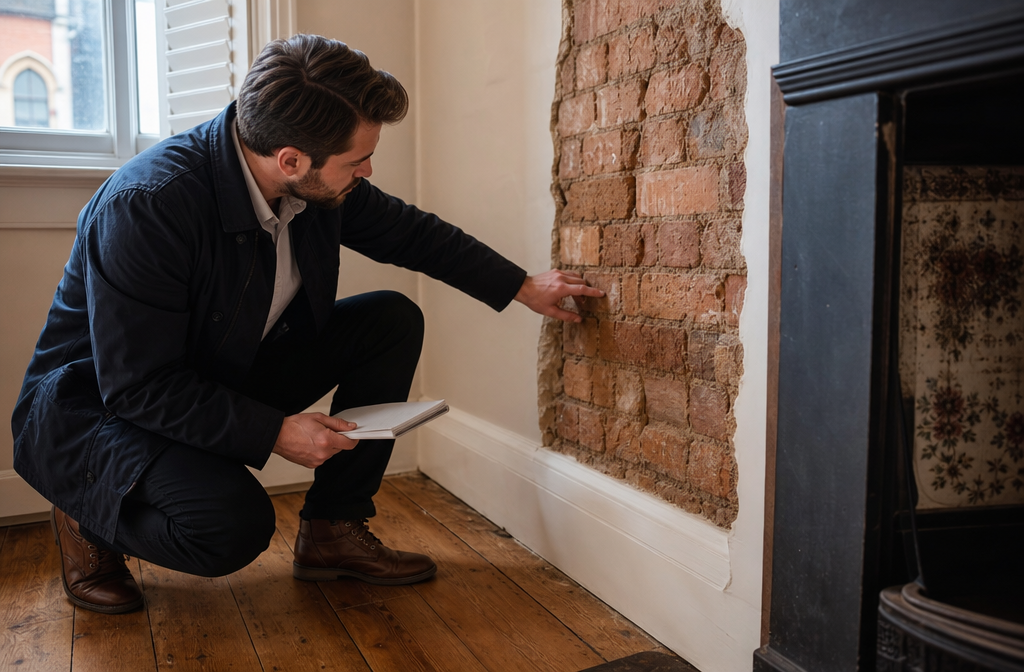
Getting the most from using an agreed surveyor to reduce Party Wall Award time and cost requires some preparation on both sides.
For building owners:
- Approach the neighbour early, before serving notice, to explain the project and the agreed surveyor option
- Have architectural drawings ready so the surveyor can assess the works quickly
- Choose a surveyor both parties feel comfortable with — avoid presenting only one name as a fait accompli
- Review the costs of the party wall process in advance so there are no surprises
For adjoining owners:
- Ask the proposed surveyor directly how they handle situations where the two parties have conflicting interests
- Confirm in writing what the agreed fee covers and whether any additional charges could arise
- Remember that agreeing to a joint surveyor does not mean giving up rights — the Award is still legally binding and protects your property
For both parties:
- Keep communication open and civil throughout; the agreed surveyor route works best when goodwill exists on both sides
- Do not delay responding to notices or correspondence, as delays add time and can increase costs
- Read the final Award carefully before the 14-day appeal window closes
For a broader look at how to manage party wall costs across the whole process, the guide on how to keep party wall costs down covers additional strategies worth considering.
Legal Validity and What the Award Covers
A Party Wall Award issued by an agreed surveyor carries exactly the same legal weight as one issued by two separate surveyors. It is a formal legal instrument under the Party Wall etc. Act 1996, and it is enforceable. [4] The Award typically includes:
- A description of the works authorised
- Conditions and restrictions on how works are carried out
- The schedule of condition report
- Provisions for access to the adjoining property
- Details of who bears the costs (usually the building owner)
- Dispute resolution provisions if damage occurs
For a detailed explanation of what a Party Wall Award contains and how it is structured, the party wall contract template and guide is a helpful reference. A free sample party wall agreement template is also available for those who want to understand the format before engaging a surveyor.
Conclusion
Using an agreed surveyor to reduce Party Wall Award time and cost is one of the most practical and underused options available to homeowners navigating the party wall process in 2026. The financial saving — potentially £900 to £1,500 or more — combined with a programme saving of several weeks, makes it a compelling choice for straightforward residential projects where both neighbours are willing to cooperate.
The route is not suitable for every situation. Complex works, multiple adjoining owners, or a neighbour who prefers independent representation all point toward the two-surveyor mechanism. But where the conditions are right, a single agreed surveyor delivers a legally valid, impartial, and efficient Party Wall Award at a fraction of the cost of the alternative.
Actionable next steps:
- Before serving any notice, have an informal conversation with your neighbour about the agreed surveyor option and its benefits for both parties.
- Research qualified party wall surveyors in your area and identify one that both you and your neighbour feel confident in.
- Obtain a written, itemised quote covering the full process from notice to Award.
- Serve the correct party wall notice using the right format and timescales.
- Once the Award is issued, read it carefully and act within the 14-day appeal window if anything requires clarification.
Taking these steps early keeps the project on track, protects both properties, and avoids the cost and delay that an unnecessarily adversarial process can create.
References
[1] Agreed Surveyor Cost London 2026 – https://www.partywallslimited.com/blog/agreed-surveyor-cost-london-2026?utm_source=openai
[2] Agreed Surveyor Party Wall – https://wimbledonsurveyors.com/agreed-surveyor-party-wall/?utm_source=openai
[3] The Agreed Surveyor How To Save Time And Money On Your Party Wall Award – https://www.partywallslimited.com/blog/the-agreed-surveyor-how-to-save-time-and-money-on-your-party-wall-award?utm_source=openai
[4] Faqs Party Wall Awards – https://www.partywallconsultancy.co.uk/faqs-party-wall-awards?utm_source=openai
[5] Party Wall Surveyor Cost – https://hoa.org.uk/advice/guides-for-homeowners/i-am-improving/party-wall-surveyor-cost/?utm_source=openai
[6] Party Wall Agreement Cost – https://partywalldiy.com/2020/02/06/party-wall-agreement-cost/?utm_source=openai