

Serving a formal party wall notice is often the last resort, not the first step. When planning building works that affect shared walls or boundaries, many property owners rush straight to legal formalities without realising that early engagement with party wall surveyors through informal discussions can prevent disputes, accelerate consent, and preserve valuable neighbour relationships.
In 2026, as construction projects continue to increase across urban areas, understanding the strategic advantage of preliminary conversations over immediate formal procedures has become essential. Early Engagement with Party Wall Surveyors: Why Informal Discussions Beat Formal Notices isn't just about following protocol—it's about creating a collaborative environment where building projects proceed smoothly, costs remain controlled, and community relationships stay intact.
This comprehensive guide explores why taking time for informal engagement before issuing party wall notices can transform potentially contentious situations into cooperative ventures.
Key Takeaways
- 🤝 Informal discussions before formal notices establish trust, address concerns proactively, and often secure neighbour consent without lengthy formal processes
- ⏱️ Early surveyor involvement prevents disputes from escalating and provides expert guidance before legal timelines begin
- 📋 Written consent eliminates surveyor requirements when neighbours agree, though condition surveys remain advisable for protection
- 💰 Proactive engagement reduces overall costs by minimizing disputes, shortening timelines, and preventing expensive conflict resolution
- 🏗️ Relationship preservation ensures smoother project execution and maintains positive community connections beyond the construction period
Understanding the Party Wall Process: Formal vs Informal Approaches
The Traditional Formal Route
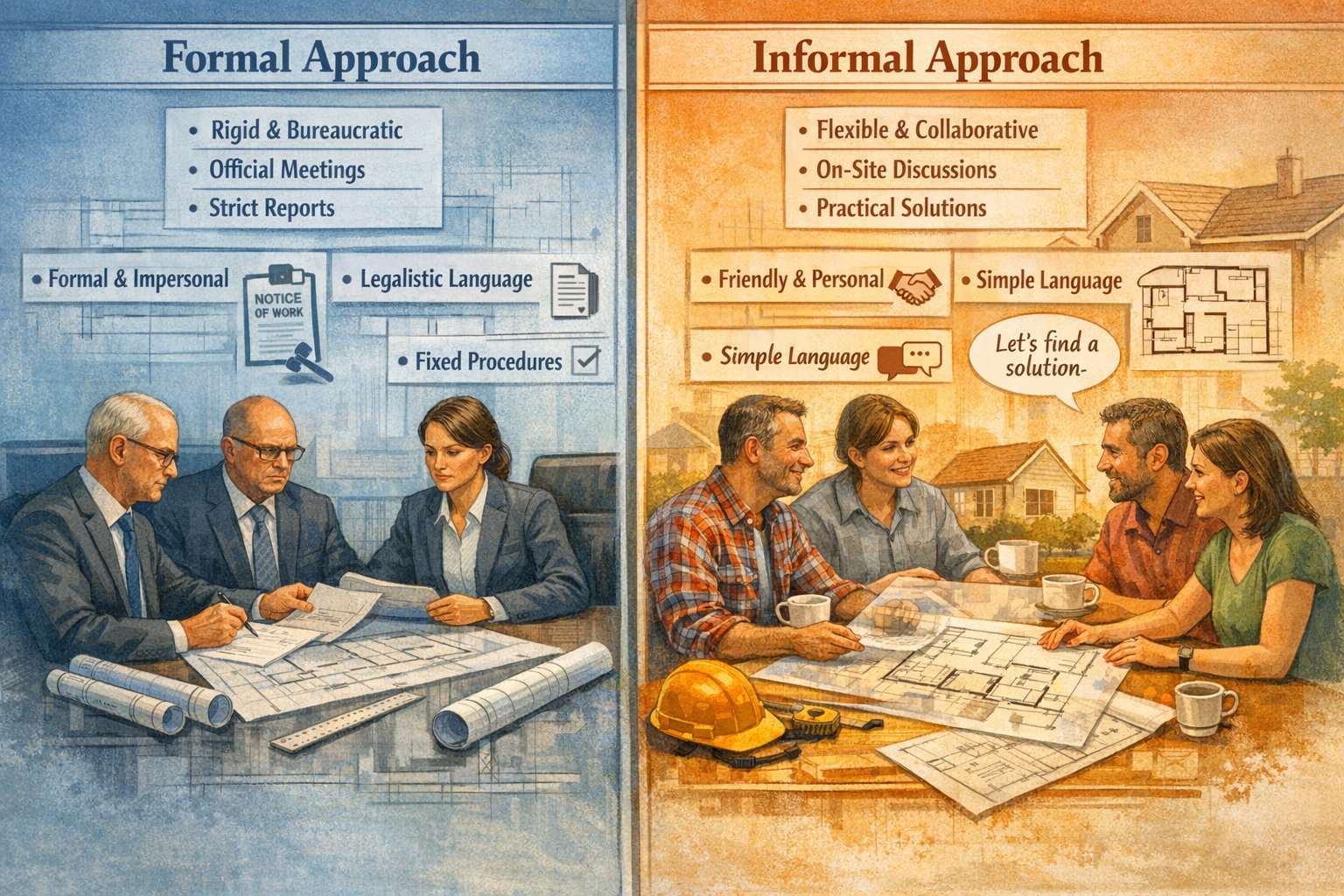
Under the Party Wall etc. Act 1996, property owners planning certain types of party wall works must serve written notice to adjoining owners. This legal requirement cannot be satisfied through verbal communication alone—a party wall notice must be served in writing[1].
The formal process involves:
| Stage | Timeline | Requirements |
|---|---|---|
| Notice Service | 2 months before work (party walls) or 1 month (excavations) | Written documentation delivered to neighbours |
| Neighbour Response | 14 days from receipt | Written consent or dissent |
| Surveyor Appointment | If dissent or no response | Professional surveyors appointed |
| Award Preparation | 2-4 weeks typically | Formal agreement drafted |
| Work Commencement | Within 12 months of notice | Project can begin |
While this structured approach provides legal clarity, it can feel adversarial and may strain relationships before work even begins.
The Informal Engagement Alternative
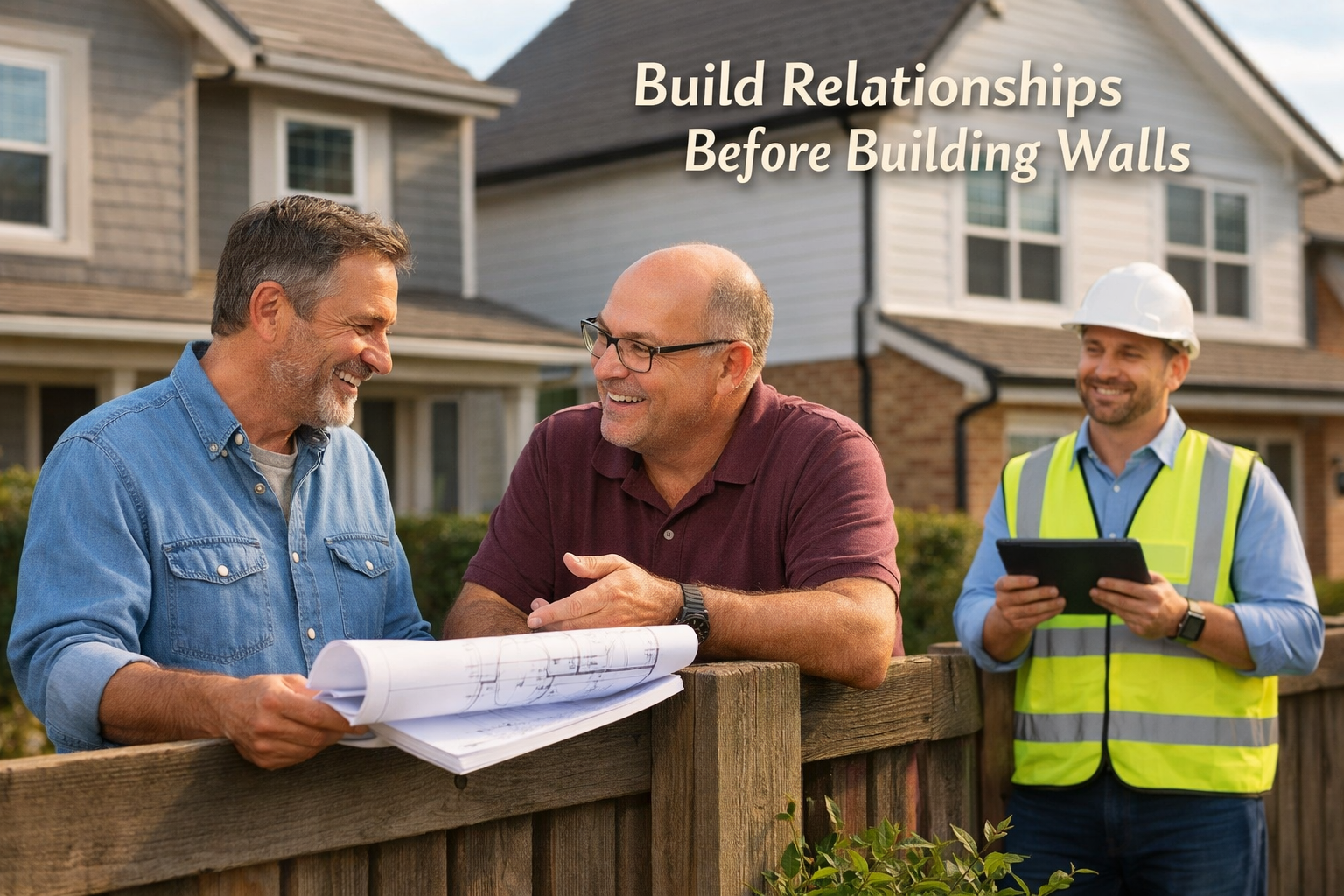
Early Engagement with Party Wall Surveyors: Why Informal Discussions Beat Formal Notices centres on a different philosophy: building understanding before building walls. This approach involves:
- Preliminary conversations with neighbours about planned works
- Early surveyor consultation to understand requirements and options
- Sharing project information through casual discussions or informal meetings
- Addressing concerns proactively before they become formal objections
- Establishing collaborative relationships that facilitate smoother processes
This doesn't replace legal requirements—it enhances them by creating a foundation of goodwill and mutual understanding.
Why Early Engagement with Party Wall Surveyors Transforms the Process
Building Trust Before Building Begins
When neighbours first learn about construction plans through an official legal notice landing on their doormat, the immediate reaction is often defensive. The formal language, legal implications, and perceived lack of consultation can trigger anxiety and resistance.
Conversely, informal preliminary discussions establish context and address concerns proactively. When a neighbour hears directly from you about your plans—ideally weeks or months before formal notices—they feel respected and included rather than legally cornered.
"Establishing cordial relationships with neighbours enables their consent from the project start, which streamlines progress and prevents unnecessary conflict."
Preventing Disputes Before They Escalate
Many party wall disputes arise not from genuine objections to the work itself, but from poor communication and perceived disrespect. Early surveyor involvement helps prevent disputes by providing professional guidance on how to approach neighbours, what information to share, and how to address common concerns[2].
A party wall surveyor can:
- ✅ Explain what work is actually planned in accessible language
- ✅ Clarify which aspects require formal agreement
- ✅ Identify potential neighbour concerns before they're raised
- ✅ Suggest modifications that address issues while preserving project goals
- ✅ Facilitate conversations when direct communication feels difficult
This proactive approach often resolves concerns that might otherwise become formal objections requiring lengthy dispute resolution.
Accelerating Consent and Project Timelines
Written consent eliminates the surveyor appointment requirement[1]. When neighbours respond to a party wall notice with written permission, the formal process significantly shortens. However, securing that consent is far more likely when:
- Neighbours already understand the project from informal discussions
- Their concerns have been heard and addressed
- They trust the building owner's commitment to minimizing disruption
- A professional surveyor has facilitated clear communication
The time invested in early engagement typically saves weeks or months compared to navigating formal disputes.
Reducing Overall Project Costs
Understanding how to keep party wall costs down starts with preventing disputes. The costs of the party wall process escalate dramatically when disagreements arise:
Cost Comparison:
- Smooth consent process: £500-£1,200 for basic surveyor consultation and documentation
- Formal agreement with cooperation: £1,500-£3,000 for surveyor appointments and awards
- Disputed process: £3,000-£10,000+ for extended negotiations, multiple surveyors, and potential legal intervention
Early engagement reduces costs by:
- 💷 Minimizing surveyor hours through efficient communication
- 💷 Preventing duplicate work from misunderstandings
- 💷 Avoiding dispute resolution procedures
- 💷 Reducing project delays that increase contractor costs
The Strategic Approach: When and How to Engage Early
Timing Your Informal Discussions
Optimal engagement timeline:
6-8 weeks before formal notice: Initial informal conversation about project plans
4-6 weeks before formal notice: Detailed discussion with architectural drawings or plans
2-4 weeks before formal notice: Surveyor consultation to review approach and documentation
Formal notice service: Following party wall act notice requirements with proper documentation
This timeline allows neighbours to process information, raise concerns, and feel genuinely consulted rather than merely notified.
What to Discuss During Informal Engagement
Effective early conversations should cover:
🔹 Project overview: What you're planning and why
🔹 Timeline expectations: When work will begin and estimated duration
🔹 Potential impacts: Noise, access requirements, temporary disruptions
🔹 Mitigation measures: How you'll minimize inconvenience
🔹 Formal process explanation: What comes next legally
🔹 Questions and concerns: Open dialogue about neighbour worries
Whether you're working with a party wall surveyor in North London, South London, or elsewhere, professional guidance during these conversations ensures you communicate effectively without making commitments that could complicate formal agreements later.
Involving Surveyors at the Right Stage
Early surveyor consultation doesn't mean immediately appointing surveyors under the formal Act. Instead, it involves:
- Pre-notice consultation: Discussing your project with a surveyor before serving notices
- Strategy development: Understanding the best approach for your specific situation
- Documentation preparation: Ensuring notices and supporting materials are clear and complete
- Neighbour communication support: Getting advice on how to present information effectively
This early involvement positions the surveyor as a facilitator rather than an adversary, which neighbours appreciate.
Common Misconceptions About Early Engagement with Party Wall Surveyors
Myth 1: "Informal Discussions Replace Legal Requirements"
Reality: Informal engagement complements but never replaces formal notice requirements. Even when neighbours verbally agree to your plans, you still must serve proper written notices for works covered by the Party Wall Act.
However, informal discussions make the formal process smoother and increase the likelihood of written consent.
Myth 2: "Neighbours Can Block Projects Through Objections"
Reality: Unjustified refusal based on inconvenience is not valid[2]. Neighbours cannot legally prevent reasonable building works simply because they find them inconvenient or disruptive.
The Party Wall Act provides a framework for work to proceed even without neighbour consent, but early engagement often prevents objections from arising in the first place.
Myth 3: "Early Engagement Delays Projects"
Reality: While informal discussions require upfront time investment, they typically accelerate overall timelines by:
- Securing consent faster
- Preventing disputes that cause lengthy delays
- Ensuring smooth work commencement once formal processes complete
Myth 4: "You Can Handle Everything Without Professional Help"
Some property owners consider having a party wall agreement without a surveyor, but this approach carries significant risks. Even with neighbour consent, professional involvement ensures:
- ✓ Proper documentation that protects both parties
- ✓ Comprehensive schedule of condition before work begins
- ✓ Clear party wall awards that prevent future disputes
- ✓ Insurance and liability clarity
Practical Steps for Implementing Early Engagement
Step 1: Assess Your Project Requirements
Before approaching neighbours, understand exactly what your project involves:
- Review what is a party structure notice and whether your work requires one
- Identify all affected neighbours and shared structures
- Understand the distinction between party fence walls and boundary walls
- Determine applicable notice periods and requirements
Step 2: Consult a Party Wall Surveyor Early
Engage a professional surveyor before approaching neighbours. Whether you need a party wall surveyor in Central London, West London, or East London, early consultation provides:
- Expert assessment of your obligations
- Strategy for neighbour engagement
- Documentation preparation assistance
- Guidance on potential concerns and solutions
Step 3: Initiate Informal Conversations
Approach neighbours in a friendly, non-threatening manner:
Effective opening: "I wanted to let you know about some building work we're planning and get your thoughts before we proceed with formal notices."
What to bring:
- Simple drawings or plans (not overly technical)
- Timeline overview
- Contact information for your surveyor or contractor
- Openness to questions and concerns
Step 4: Document Informal Agreements (Carefully)
While informal discussions are valuable, be cautious about written commitments outside the formal process:
- ✅ Do: Take notes about concerns raised and how you'll address them
- ✅ Do: Follow up with a friendly summary email
- ❌ Don't: Make binding commitments without surveyor consultation
- ❌ Don't: Bypass formal notice requirements based on verbal agreements
Step 5: Transition to Formal Process
After informal engagement, proceed with proper legal notices:
- Serve notices according to statutory requirements
- Reference previous discussions positively in covering letters
- Provide clear response mechanisms
- Remain available for questions during the 14-day response period
Step 6: Maintain Communication Throughout
Early Engagement with Party Wall Surveyors: Why Informal Discussions Beat Formal Notices extends beyond the initial stages. Continue:
- Regular updates as work progresses
- Prompt responses to concerns
- Adherence to agreed working hours and conditions
- Post-completion follow-up to ensure satisfaction
Real-World Benefits: Case Studies in Effective Early Engagement
Scenario 1: Loft Conversion with Shared Wall Work
Without early engagement: Formal notice served, neighbour alarmed by legal language, dissent filed, surveyors appointed, 8-week delay, £4,500 in surveyor fees.
With early engagement: Informal discussion 6 weeks prior, plans shared, concerns about noise addressed with specific working hours commitment, written consent received within 3 days of formal notice, £800 in basic surveyor consultation, work commenced on schedule.
Time saved: 7+ weeks | Cost saved: £3,700+
Scenario 2: Basement Excavation Near Boundary
Without early engagement: Notice served, neighbour concerned about foundation stability, appointed own surveyor, extensive investigation required, modified design necessary after formal process began, 12-week delay, £7,200 in combined surveyor fees.
With early engagement: Surveyor-facilitated preliminary meeting, structural engineer's report shared informally, foundation protection measures explained, neighbour reassured before formal notice, consent granted, condition survey completed cooperatively, £2,100 in surveyor fees, minimal delay.
Time saved: 10+ weeks | Cost saved: £5,100+
Special Considerations for Different Property Types
Terraced Properties
Terraced homes often involve multiple adjoining owners. Early engagement becomes even more critical when:
- Work affects both neighbours simultaneously
- Coordinating multiple responses and concerns
- Ensuring consistent communication to prevent misunderstandings
Semi-Detached Properties
With typically one adjoining owner, semi-detached properties offer the simplest scenario for informal engagement, but the relationship impact is more concentrated.
Flats and Apartments
Leasehold properties add complexity with:
- Freeholder permissions required
- Multiple stakeholders (above, below, adjacent)
- Building management involvement
- Potential lease restriction considerations
Legal Protections That Remain Essential
Even with excellent informal engagement, certain legal protections remain non-negotiable:
Schedule of Condition
A comprehensive schedule of condition documenting the neighbour's property before work begins protects both parties by:
- Establishing baseline property condition
- Providing evidence if damage claims arise
- Clarifying pre-existing issues
- Supporting fair damage assessment
Formal Party Wall Award
A properly drafted party wall award provides:
- Legal certainty about work scope
- Clear dispute resolution mechanisms
- Defined working parameters
- Insurance and liability clarity
- Enforceable terms if issues arise
These protections benefit everyone involved and should never be skipped, regardless of how positive informal relationships may be.
When Informal Engagement Isn't Enough

Despite best efforts, some situations require formal procedures from the outset:
⚠️ Pre-existing disputes: When relationships are already strained
⚠️ Absent neighbours: When adjoining owners cannot be contacted
⚠️ Complex commercial properties: Where multiple stakeholders require formal documentation
⚠️ Legal advice received: When neighbours have already engaged solicitors
⚠️ Previous negative experiences: Where trust has been damaged by past projects
In these cases, professional surveyors become even more valuable as neutral facilitators who can navigate difficult dynamics.
The Role of Building Owners and Adjoining Owners
For Building Owners
As the building owner, early engagement demonstrates:
- Respect for neighbours' rights and concerns
- Commitment to transparent communication
- Professionalism in project management
- Willingness to address legitimate issues
This approach positions you as a responsible property owner rather than an adversarial party.
For Adjoining Owners
If your neighbour is carrying out works, engaging positively in informal discussions:
- Ensures your concerns are heard early
- Allows input before plans are finalized
- Establishes communication channels for the project duration
- Protects your property through proper documentation
Understanding your rights as an adjoining owner empowers constructive participation in the process.
Conclusion: Building Better Outcomes Through Early Engagement
Early Engagement with Party Wall Surveyors: Why Informal Discussions Beat Formal Notices represents a fundamental shift from viewing party wall procedures as purely legal obligations to recognizing them as opportunities for collaborative problem-solving. In 2026, as urban development continues intensifying and properties share increasingly complex boundaries, the ability to navigate these processes with professionalism and empathy separates successful projects from contentious nightmares.
The evidence is clear: informal preliminary discussions, supported by early professional surveyor involvement, consistently deliver better outcomes across every metric—cost, timeline, relationship quality, and project success. While formal legal requirements remain essential and non-negotiable, the manner in which you approach them dramatically influences results.
Your Next Steps
If you're planning building works:
- Consult a party wall surveyor before approaching neighbours—get expert guidance on your obligations and strategy
- Initiate informal conversations 6-8 weeks before formal notices are required
- Prepare clear, accessible information about your project to share with neighbours
- Listen actively to concerns and address them genuinely
- Proceed with formal notices properly documented and professionally presented
If you're receiving notice of neighbour works:
- Engage positively in preliminary discussions if offered
- Seek professional advice from an adjoining owner's surveyor if uncertain
- Respond within 14 days to formal notices
- Focus on legitimate concerns rather than general inconvenience
- Maintain communication throughout the project
The party wall process doesn't have to be adversarial. With early engagement, professional guidance, and mutual respect, building projects can proceed smoothly while preserving the community relationships that make neighbourhoods thrive.
Ready to start your party wall process the right way? Early engagement isn't just recommended—it's the proven path to successful outcomes for everyone involved.
References
[1] Party Wall Agreement – https://hoa.org.uk/advice/guides-for-homeowners/i-am-improving/party-wall-agreement/